
ChitChat - With Troy McCosker ‘Audio Ninja’
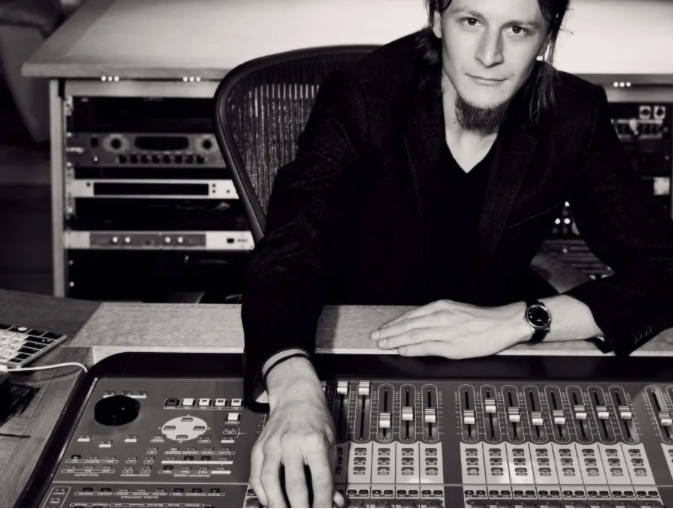
Image by: Andrew Raszevski
Troy's Email: TROY.MCCOSKER@GMAIL.COM
Troy's Instagram: https://www.instagram.com/troyaudioninja/
Interview by: Monika Smith
Back in June 2019 I had the pleasure of speaking to Troy McCosker.
Due to some unforeseen circumstances that interview never came to light, until today.
Troy is an absolute legend within the music industry, and is the starting point of Rawing In The Pit Media, shining the light on all of the people behind the music scenes that assist in getting your favourite acts on the stage, lit up and to/from venues/airports and hotels on time!
In future we will also try to have a recorded podcast available for those who prefer to listen instead of read.
Monika:
Hi, Troy! Thanks for having me over for chat about your work within the music industry not only as a producer but engineer and drum tech I believe.
Troy:
Yeah drummer, drum tech, engineer. I like to say audio ninja or “makes things sound good.” *laughs*
Monika:
That's a good technical term! So can you tell me a little bit about how you about how you got started?
Troy:
I started by getting work experience in a music shop in Alice Springs when I was 15 and started there just cleaning guitars and yeah, basic things like that and just, I guess, saw a way into the industry from there and you know, kept going.
Monika:
Is there any advice that you can give someone who is looking to get into producing or engineering?
Troy:
The main advice is just to do it, there's free digital audio workstations you can download and you know, find a microphone and plug it in and make it happen. Start recording, start doing it.
There's then budget gear that can get you started and a million online forums and YouTube videos that are instructional and the information is out there. If you want to learn to do it, just start doing it!
Record yourself, record your friends, record your pets, record anything, process it learn what the tools do, learn how to use them and get into it.
Monika:
Yeah, so it's more like about the motivation within someone's self to sort of pursue that and obviously looking for the ins and outs of the industry itself to get into it?
Troy:
Yeah, it's, I guess you can't be taught how to listen, you have to teach yourself how to listen, and how to visualize something and then use the right tools to go about changing the audio to get what you want. You can't easily be taught that out of a textbook, it just takes practice and actually doing it, objective listening and reflection and moving forward to; I guess, get those results.
So obviously, then, actually getting into the industry and getting you know, into studios and into better environments, can take connections and whatever from there, but you would want to have an idea that this is what you want to do, try it out, get some skills up and then take those to other engineers and say, Hey, I have some skills, how can I help? How can you help me get into the industry and have something to offer?
Monika:
So it's a bit about persistence as well, because obviously, you're not going to get what you want straight away, and you're going to get turned to turn down, which is obviously like a thing that happens within the music industry. So you can't really, as far as you're concerned, don't be deterred by that be more sort of motivated by?
Troy:
Absolutely, if you want to do it, you know, as they say, Master is failed more times than his apprentices tried. You know, it's, it's really a matter of if you really want to do it, you can't give up you can't really plan B, you just have to go and, you know, do what you want to do there.
Monika:
So can you talk us through your home mixing studio gear and setup what you have here.
Troy:
I run a fairly basic setup here. I guess I concentrate on the main things which I built a well-treated room to start with. Its acoustic acoustically pleasing to be in, pretty well balanced. I am running a Pro Tools system just on an iMac, running the old Digi 003 Rack+ but I'm also running a Benchmark DAC and Mitech conversion on the in and out of that.
Other than that I run an analyzer and fader bank on my bench and I run Amphion One18 studio monitors off the DAC and it's pretty much it!
Monika:
So apart from the equipment you have here, do you have any sort of preference over certain recording equipment? Is there anything that you don't have here that would like here?
Troy:
Well, I don't have a drum tracking space here. So I hire other studios around Melbourne to track drums and loud things, loud large things in.
So, I guess working among different spaces and different studios around Melbourne. The things I’m missing more so is just it's more about the space and having access to some sort of good quality gear.
The individual elements don't matter so much to me the model numbers. Yes, there's a lot of gear I prefer but it all comes down to a preference for an application.
One microphone or piece of gear I prefer on one instrument or voice won’t be the same piece of gear or prefer on another instrument or voice. So, that said 9 times out of 10 the piece of gear really is irrelevant to the performance or the piece of music being recorded.
Monika:
So, what is your recording process like? What instruments do you generally prefer to begin with starting to build the foundations on a song?
Troy:
These days with the modern process I’ll generally start with a guided track of a guitar or a guitar and vocal done to a click track. Hopefully with the whole band sort of there and involved, agreeing that that's the tempo if I can even start early than that all get the tempo locked in with a band in the rehearsal room. Any tempo rough variations then I’ll lock that down with the guitar and vocal to click track with the tempo variations programmed in, then usually it's drums down from there and bass and guitars and vocals and other layers and extra little bits and then the mix and master process from there.
Monika:
Is there any parts of the recording process that you loathe doing?
Troy:
There's a lot of tedious work in it. There's a lot of behind the scenes work that even the artist sometimes doesn't see but that most definitely the listening public generally have no idea of.
For a modern metal album we might spend three or five days tracking, you won't see the you know, three to five days of editing that goes on in in the background and that might not necessarily be fixing the performance but just cleaning up the takes or you know, compiling the best parts of performances or stripping unneeded audio out of sessions and all of the backend work that goes into it.
Monika:
So and generally like how long would you say it's, like varied with like one particular song. How long would that take you to sort of track all of that?
Troy:
A general rule it's about three days of song. If you include the you know, you spend a day on your main rhythm instrument, say drums and bass, a day on your melodic instruments, two guitars and vocals, and extra sort of bits and then a day on you know, cleaning and mix as a rough rule.
That's about where it seems to end up. So obviously if it's a 22 minute Prog song there’s going to be a bit of a difference there then say a two minute punk song as well so yeah, it can vary but around about that sort of three to four day mark I find that the higher end of production level is where its at.
Monika:
So how do you tackle like the mastering side like once you've got everything down on the track so what's your process there?
Troy:
For the mastering side once I have the mix completed, the band signed off and they're ready for mastering is basically just listening through the entire album a few times getting a feel, working out which tracks too loud too quiet, unbalanced, things like that.
Going through and fine tuning the balance between songs to make sure it feels cohesive as a piece if a mastering even a single then its comparing it to I guess the other tracks will be played alongside on the market. So maybe checking a few playlists you think it would fit in and then comparing it to other sort of modern things that will sit against.
Then just making sure you've really got the most out of, you know, the final tweaks, Master for that.
Monika:
So a lot more people seem to be setting up home recording studios, as opposed to going into a bigger studio. But as you mentioned, you need the space for certain things like drum tracks and stuff that are loud but do you think that home studios have had any sort of impact on the industry at all?
Troy:
I think they've massively changed the industry and in some ways, it's been amazing and a wonderful thing and in some ways, it's you know, made careers like my own harder to solidify and make a good profit from. the studio prices have cheapened since the 80s and not kept up with inflation then, yeah, the value of the dollar today, you know, it's essentially we're getting paid nothing to record bands because of the advent of the home studio and every body being able to I guess, access and do it themselves to a degree but the amount of amazing music that's come out in the last 20 years because people had access to home recording studios and didn't have to wait until a label found them and gave them the hundred thousand dollars required to make that album is insane.
I think there's this a balance to be met there I don't think we've quite found it yet. I think people like myself have had to specialize or diversify to maintain a career.
I've always over the last few years you know sort of half spent half my time doing live work and half my time in the studio to make sure I can make ends meet and balance that out because it can be very hard to fill an entire year with studio work in this day and age when everybody you know has access to a studio in a in a bedroom essentially.
Monika:
Okay, so as mentioned, not only are you well accomplished and renowned producer, you can also be found behind sound desk gigs. You've toured extensively with the likes of Ne Obliviscaris around the world. What have been some of your favorite cities to not only visit but shows that you've stood behind the sound desk for?
Troy:
We have I guess, I've never kept an exact count. But I know we've done I believe around 60 countries in close to 300 or 400 different cities around the world, so it's very hard for a particular one to stand out.
There's probably a top 50 I would say *laughs*
A few wild ones over the years with Neo headlining a festival in India, playing to I think it was about 12,000 people on a, you know, essentially a cricket field with bamboo safety barriers and fireworks going off during the set and things like that happening or certainly experiences that will stick with me for a long time.
Some of the great festivals like I know the guys are off hitting some euro festivals at the moment.
But you know, GrassPop and Hell Fest and a few of those will stick out for me is pretty amazing experiences as well plus, just some of the great Neo headline shows we've had around the world in places like Canad, Finland Mexico and yeah, all over the world!
There's just been so many amazing, amazing shows that will stick out and stand out for me. Its hard to recall at this moment
Monika:
So what's it like living on a bus with a bunch of smelly dudes that don't always get access to a shower?
Troy:
It's... It's an interesting lifestyle. I guess. It takes a lot of empathy.
It takes a lot of consideration for the fact that you're all in the same situation you're all tired, you’re all grumpy, you’re all smelly, you’re all getting through and bouncing up and down off the last night's high and the next morning’s low and it just it's an interesting way to make a living I guess but it's also one of the most rewarding and passion driven existences I guess you could you could have as well.
Monika:
So how did you meet the boys from Ne Obliviscaris that sort of have now taking you on this sort of many whirlwind tours which have been beneficial for to you also, but how did you meet the boys?
Troy:
It goes back a long time ago to when I was playing drums in a Melbourne band called Eye Of the Enemy and Tim was just starting to push Welken Entertainment. I don't even know when this would be 2012 or, 2013, maybe possibly even earlier, or 10 or 11.
I had met Tim a few times and done a few gigs and things with him through Eye Of The Enemy and then I heard that Ne Obliviscaris, we're looking to record their next album and I was working out of Pony Music at the time and got in touch and basically said, hey, we've got this studio that was fairly new at that point in the new premises and sort of said come down, check it out.
I think it'd be you know, perfect for you guys to record the next new Ne Obliviscaris album.
So he sort of came down and checked it out from there. I basically landed the job was tracking engineer for Portal Of I, and I guess got started with Neo. At that point when I started tracking drums for Portal Of I.
Monika:
Have there been any disasters or cool stories you could share with us that you've faced either on tour or at home recording or mixing and how did you overcome this?
Troy:
There's plenty of moments.
There's always a challenge and that's what I guess life is, overcoming a challenge and continuing on with your best life in the best way possible.
Monika:
So, say like you've been at a show and something's happened either with the mixing desk, PA or something like that has anything about that it's sort of occurred and you've had to deal with that?
Troy:
A recent one, Sydney on the last Australian tour. We've started the show, you know, pulled up the show file on the console and the show started and I’ve hit unmute on all the effects and I've got nothing, no reverb. No, delay for Neo, they just started the show, first song.
So I’m going through, tried every unmute every button fader combination that my unlock the effects for whatever reason that aren't working, at the end of the first song. I've tried another bunch of things that I couldn't do in the set for fear of muting the wrong thing or unmuting the wrong thing.
Finally worked out that basically nothing was going to happen when I pulled up a duplicate of the show file we'd saved at sound check, loaded that in a millisecond break in the middle of a Neo song and fortunately had everything come back up as it should have originally so it's quick things like that, that hopefully not too many people notice the first 10-15 minutes of the set without the lot of reverb or delay going on but they just quick little challenges you have to try and stay as calm as possible and go through every thought process on to what could be causing this issue what can I fix quickly? What can I fix without interrupting things what has to wait until you know even the show's over to be dealt with sometimes it's how do I patch this and get it running for the next bit?
Monika:
Anything else you’ve faced?
Troy:
I've had I guess we've had data corruptions, things like that actually, funny one on recording portal of I we had, in the last day the last session for prepping everything to go off for the final sort of mix. For Portal Of I, I have gone to pull up the cymbals for the drum session and sort of finalise it with the rest of everything else and send it off for, I think it was Icicles or Forget Not, one of those songs and basically nearly all of the cymbal tracks had been corrupted with the audio and this was already at midnight, we were basically getting ready to get the last few things done and get out of the studio at midnight of the last day of doing Portal Of I and I've gone to Tim "I'm sorry I gotta fix this”. So he's passed out on the couch I think I woke him at 4:30am and said "It’s done!”. I've managed to pull files off the backup drives and that you know, comp from and edit raw (files) and basically re-edit an entire section together. Yeah. The final hour of doing that album and getting it off.
Monika:
With having achieved so much so far, what is something you've yet to accomplish that you're aiming towards?
Troy:
I guess I would like to, I would like to see, just more development of great artists over my career I love working with younger musicians and helping them get a career going in their chosen field. So that's what I want to see, is just more of the young artists I'm working with now developing a great future artists and I'd like to see more younger artists coming through and, developing into, you know, long term acts that do well. That's my long term goal is just to keep working with great bands and putting out great art and helping them to become the best artists they can.
Monika:
So your partner Alana, you've worked with her directly to sort of get connections to younger artists. So can you talk a little bit about what Alana does and how you work together within the industry?
Troy:
So she's a, she's a vocal coach, or a music teacher, she teaches piano and other instruments as well. She gets to work with some amazing young talent. So getting access to some of these, the younger generation of music and through her guidance and mine we’re able to give them I guess, a little bit of a foothold in the industry. That they may not have had access to before.
So that's always been a great sort of, I guess a way for us to to keep you know, keep the generational ball rolling and keep great music coming through for the long term.
Monika:
So what artists would you like to work with if given the chance?
Troy:
There's a lot of artists I would like to work with, but I guess its not so much that I would like to work with a particular artist.
I would like to work with bands that are creating something with passion and doing it in a way that is totally free of distraction and, you know, giving the music the full opportunities to shine, so I really feel like we've lost that in this modern age of you know, tracking drums on a weekend and three months later the guitarist is finally finished doing these parts at home and then the singer hears the track for the first time and puts down a vocal and then I'm expected as an engineer to just put it all together and make it magically a song.
I miss, what I dig about the music I listen to, I can really feel that these artists have spent time together, worked the track out together, gone into a studio together and not necessarily tracked it live.
But tracked it as a band. had the rest of the band involved throughout each part of the process with a producer or whatever as well to really bring out the best in their track.
Nobody books out a studio for a month or six weeks or whatever anymore and goes to make a piece of art, they kind of pass a pencil around with a few, you know, ideas and eventually somebody collates it together into a scrapbook.
Yeah, so I feel like there's so many artists over history and even now that it's so hard to get access to that style of album and recording because in Australia is just the markets not here, the bands and budget aren’t here to exist and happen like that.
Monika:
So is there a style or genre that you've sort of never touched? Before but maybe you would find it interesting or challenging to sort of work on?
Troy:
Country maybe? I haven't done a real lot in and I would find that challenging.
I would like to do, I guess more traditional music maybe from some other sort of cultures more maybe African influence stuff. Even some Indian influence and stuff the polyrhythmic sense, multiple time signature based patterns, intrigued me a lot. So maybe something like that, I think would be interesting as well just to really sort of do something out there.
Monika:
So you're not on tour with Neo this time around. You're looking to focus more on doing home recording in the studio. Can you tell us a bit more about that one?
Troy:
Yeah, I just, I guess I'm looking after my health, mental physical, and just general, well being,
I guess at this point in my life and after touring so heavily for the last five or six years, it's really at a point where I sort of need to step back for a while and concentrate on looking after myself. So taking a little bit of a break from running away.
So yeah, I guess I'll be spending, you know, I guess the next bit of time in Melbourne, so concentrating on recording of a few sort of albums booked in and coming up later in the year.
Yeah, it'll be nice to just concentrate on those as well as filling the gaps with whatever floats in and out. So yeah, I guess concentrating more on putting out quality art in the studio than running around the world for a little bit of time.
Monika:
So if someone wants to record with you then we can put up your contact details?
Troy:
Yeah, absolutely!
Monika
So we can pop those on this post and then people can start to book in with you and get started on albums or whatever?
Troy:
Albums, Singles, EPs, part recordings. Anything really!
Monika:
thank you so much for speaking to me tonight. I really appreciate it.
Troy
Thanks. Thank you!
